
Board Certified Tampa
DUI Defense Expert
DUI Defense Expert



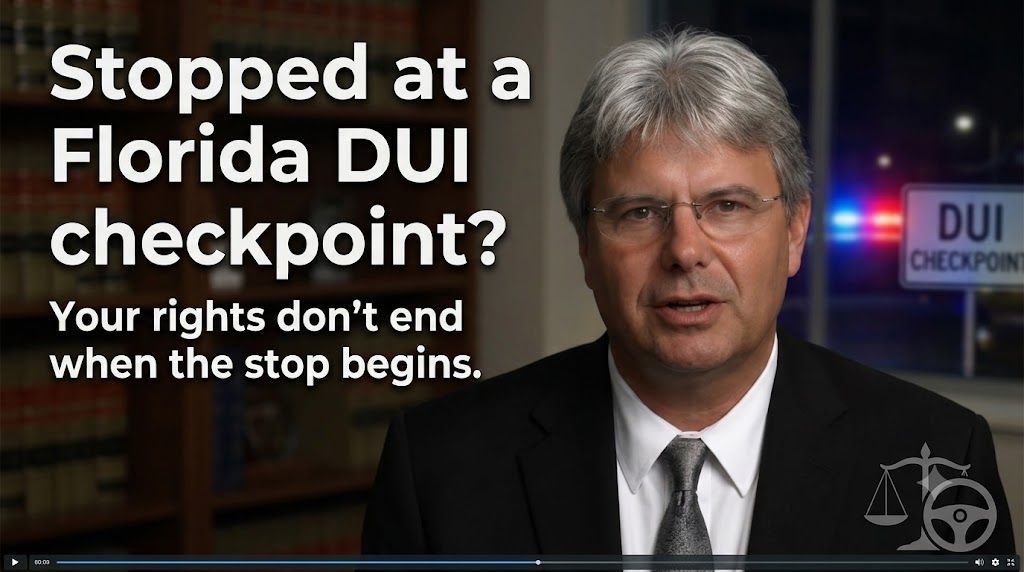
Video explaining what happens at a Florida DUI checkpoint, what drivers can generally expect, and why every checkpoint stop should be evaluated individually.
If you were stopped at a DUI checkpoint in Florida, you may be wondering whether the checkpoint was legal, whether the officer had the right to investigate you further, and whether your constitutional rights were respected. These are important questions, and the answers depend on the specific facts of your case. As a Florida Bar Board Certified Criminal Trial Lawyer and former prosecutor, I carefully examine every stage of a DUI checkpoint stop before advising my clients.
A DUI checkpoint does not eliminate your constitutional protections. Law enforcement agencies must still conduct checkpoint operations within the requirements of applicable law and constitutional principles. Every investigation is different, and I review the available evidence—including reports, videos, and agency procedures—before evaluating potential legal issues.
To learn more about my background and experience, please visit my About page:
If you have been arrested after a DUI checkpoint stop, I invite you to contact my office for a confidential consultation:
| Question | Short Answer |
|---|---|
| Are DUI checkpoints legal in Florida? | Florida courts have recognized the use of sobriety checkpoints under certain circumstances, but the legality of a particular checkpoint depends on the facts and applicable law. |
| Can every vehicle be searched? | No. Additional legal justification is generally required for searches beyond the initial stop. |
| Can I be arrested at a checkpoint? | Yes, if law enforcement believes probable cause exists based on the investigation. |
| Does a checkpoint guarantee a DUI conviction? | No. The prosecution must still prove its case using admissible evidence. |
| Should I speak with a DUI attorney? | Yes. An attorney can evaluate whether the checkpoint and subsequent investigation complied with legal requirements. |
A DUI checkpoint, sometimes called a sobriety checkpoint, is a location where law enforcement officers briefly stop selected vehicles as part of an organized enforcement operation. These operations are intended to detect impaired drivers while following procedures established by the supervising agency. Whether a particular checkpoint complied with applicable legal standards depends on the facts of that operation.
If you would like additional background about checkpoints in Florida, you may also find my article DUI Checkpoints in Florida helpful:
https://dui2go.com/dui-checkpoints-in-florida
Florida courts have recognized that sobriety checkpoints may be conducted under certain circumstances. However, the legality of any individual checkpoint depends on how it was planned and operated, as well as the constitutional protections that apply during the stop. Rather than assuming every checkpoint is valid, I review the facts of each case before determining whether legal issues should be explored.
For readers who wish to review Florida court information, the Florida Courts website is available at:
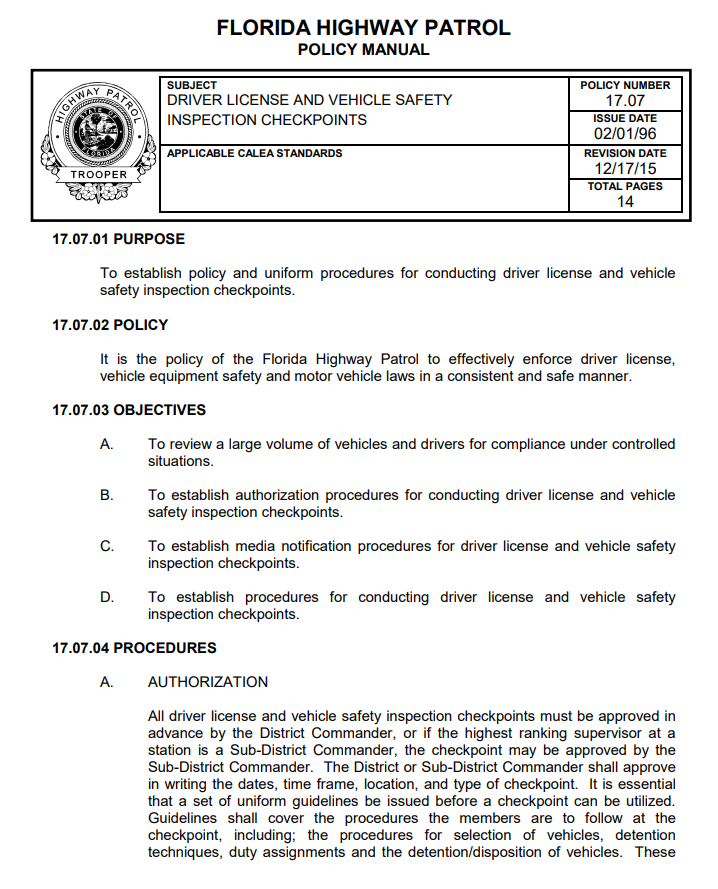
One of the defining characteristics of a checkpoint is that drivers may be stopped according to a predetermined operational plan rather than because an individual officer observed erratic driving. The purpose of that plan is generally to reduce arbitrary decision-making by officers in the field. I review the available evidence to determine how the checkpoint was conducted and whether the stop followed the applicable procedures.
Yes, but whether an officer may expand a checkpoint stop depends on the facts that develop during the encounter. Observations made during the initial contact may affect how the investigation proceeds. I examine body camera footage, dash camera recordings, reports, and other evidence to determine whether the investigation remained within constitutional limits.
Although procedures vary by agency, many checkpoint investigations begin with a brief interaction between the driver and the officer. During that encounter, the officer may observe the driver, request identification or other documents, and determine whether additional investigation is appropriate. Because every checkpoint operation is different, I evaluate each case based on the evidence rather than assumptions.
Every checkpoint case begins with a careful review of the available evidence. I compare the officer’s written reports with body camera recordings, dash camera video, dispatch records, and any available operational plans produced during discovery. My goal is to determine whether constitutional, procedural, or factual issues exist that may affect the defense.
One issue that may become important in checkpoint litigation is whether the operation followed an established plan rather than leaving decisions entirely to the discretion of individual officers. The significance of that issue depends on the evidence and the applicable law. I review the available documentation before reaching conclusions about how the checkpoint was conducted.
In some cases, legal challenges may be available depending on the facts and the applicable law. Whether such a challenge is appropriate cannot be determined without reviewing the reports, videos, witness statements, and other available evidence. I believe every checkpoint arrest deserves an individualized evaluation rather than a one-size-fits-all approach.
| Stage | What Typically Occurs |
|---|---|
| Checkpoint Stop | Driver is stopped according to the operational plan. |
| Initial Contact | Officer observes the driver and may request documents. |
| Further Investigation | Additional observations may lead to a DUI investigation. |
| DUI Arrest | An arrest may occur if probable cause is believed to exist. |
| Criminal Case | The court process begins. |
| Defense Review | I review the evidence and applicable law with my client. |
I encourage clients to review information from official government sources whenever possible.
| Resource | Website |
|---|---|
| Florida Department of Highway Safety and Motor Vehicles | https://www.flhsmv.gov/ |
| Florida Courts | https://www.flcourts.gov/ |
| Florida Legislature | https://www.leg.state.fl.us/ |
| Florida Statutes (Justia) | https://law.justia.com/codes/florida/ |
For additional local information, you may also find these DUI2Go resources helpful:
A checkpoint stop does not automatically authorize law enforcement to search your vehicle. Whether a search is lawful depends on the specific facts and the legal justification asserted by the officer. I review the reports, body camera footage, and other available evidence to determine whether the scope of the investigation remained within constitutional limits.
Every DUI investigation is different, and whether field sobriety exercises become part of the investigation depends on the circumstances that develop during the stop. If field sobriety exercises were requested or performed, I review how they were administered, how they were documented, and how they fit into the overall investigation. I avoid making assumptions about their significance until I have reviewed all of the available evidence.
For additional information about DUI investigations, you may also find my DUI Process page helpful:
https://dui2go.com/dui-process
Yes. An officer may continue a DUI investigation if additional observations are made during the encounter that the officer believes justify further investigation. Whether those observations ultimately support a lawful arrest depends on the facts and the applicable law. Every checkpoint stop should be evaluated individually.
No. Most motorists who pass through a checkpoint are not arrested for DUI. Checkpoints are designed to briefly stop vehicles according to an operational plan, but only some encounters result in additional investigation. The facts surrounding each individual driver determine how the encounter proceeds.
The amount of time a driver spends at a checkpoint varies depending on the circumstances. Some drivers experience only a brief stop, while others remain longer if additional investigation occurs. If the duration of the detention becomes a legal issue in your case, I evaluate the available evidence before offering an opinion.
Video evidence often provides valuable information about what occurred during a checkpoint stop. Body camera recordings and dash camera footage may document the interaction between the officer and the driver, although not every checkpoint investigation includes every type of recording. I compare available video evidence with the written reports to identify inconsistencies or additional facts that may be important.
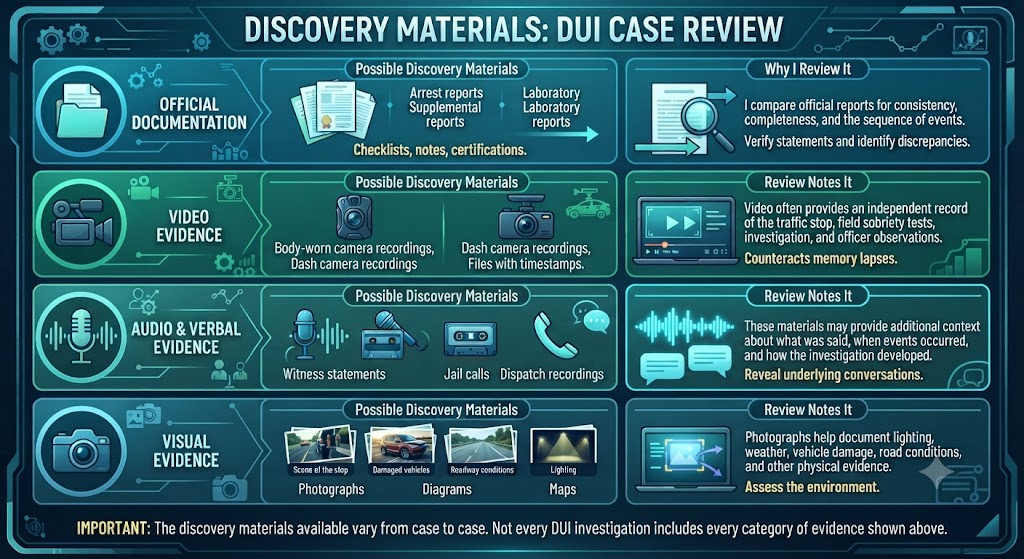
Every checkpoint case begins with a thorough review of the evidence. Depending on what is available, I examine police reports, body camera footage, dash camera recordings, witness statements, dispatch records, photographs, chemical testing records, and discovery materials produced during the criminal case. Careful preparation often begins long before the first court appearance.
| Evidence | May Be Available |
|---|---|
| Police Reports | Yes |
| Body Camera Video | Sometimes |
| Dash Camera Video | Sometimes |
| Witness Statements | Sometimes |
| Dispatch Records | Sometimes |
| Breath Test Records | Sometimes |
| Field Sobriety Documentation | Sometimes |
| Operational Plan | May be available through the legal process |
Some law enforcement agencies publicly announce planned checkpoint operations, while others release information after an operation has concluded. I cannot state that every Florida agency follows the same practice because procedures may vary. If public information exists regarding the checkpoint involved in your case, I review that information along with the other available evidence.
Many of my clients are tourists, business travelers, or seasonal residents who were unfamiliar with Florida’s DUI laws when they encountered a checkpoint. If you were visiting Tampa, Clearwater, St. Petersburg, or another Florida community, I can explain the Florida court process and discuss how your case may affect you after you return home. Because every situation is different, I avoid making predictions before reviewing the facts.
You may also find my Out-of-State DUI page helpful if you do not live in Florida.
No. Procedures may differ from one law enforcement agency to another, and the facts surrounding each checkpoint operation are unique. That is one reason I review the operational details of every case rather than assuming that all checkpoints were conducted in the same manner. The evidence determines the legal analysis—not generalizations.
Sometimes a checkpoint investigation uncovers evidence unrelated to impaired driving. Whether additional charges are filed depends on the facts of the encounter and the evidence obtained during the investigation. If multiple charges are involved, I evaluate each charge separately while considering how the evidence relates to the overall defense strategy.
I believe the strongest defense begins with understanding the facts rather than making assumptions. My review typically includes the legality of the initial stop, the scope of the investigation, officer observations, available video evidence, witness statements, and any chemical testing or field sobriety evidence. Once I have reviewed the available materials, I discuss the strengths, weaknesses, and potential legal issues with my client in straightforward terms.
Many checkpoint cases overlap with other DUI topics. You may also find these pages helpful as you learn more about Florida DUI law:
| Topic | Internal Resource |
|---|---|
| DUI Defense Lawyer | https://dui2go.com/dui-defense-lawyer/ |
| DUI Arrests | https://dui2go.com/dui-arrests/ |
| DUI Charges | https://dui2go.com/dui-charges/ |
| DUI Process | https://dui2go.com/dui-process/ |
| DUI Law | https://dui2go.com/dui-law/ |
| DUI Breath Testing | https://dui2go.com/dui-breath-testing/ |
| Breath Test Refusal | https://dui2go.com/breath-test-refusal/ |
| Driver’s License Suspension | https://dui2go.com/drivers-license-suspension/ |
| First-Time DUI | https://dui2go.com/first-time-dui-charge/ |
| DUI FAQs | https://www.dui2go.com/faqs/ |
| About W.F. Casey Ebsary | https://dui2go.com/about/ |
| Contact My Office | https://dui2go.com/contact/ |
If you were stopped at a DUI checkpoint in Tampa, Hillsborough County, Clearwater, St. Petersburg, Pinellas County, or elsewhere in Florida, I encourage you not to assume that the legality of the stop has already been decided. Every checkpoint operation should be evaluated on its own facts. Visit https://dui2go.com/about/ to learn more about my experience, or https://dui2go.com/contact/ to schedule a confidential consultation so we can review your case together.
Whether turning away from a checkpoint is lawful depends on the specific facts and how the maneuver was performed. A legal turn made before entering a checkpoint may be treated differently than a traffic violation or other conduct that independently justifies a stop. I review the officer’s reports, available video, and the circumstances of the stop before offering an opinion.
Every encounter with law enforcement is unique. The questions asked and the significance of your responses depend on the circumstances of the investigation. Rather than relying on generalized advice, I recommend discussing your own case with an attorney after the evidence has been reviewed.
Yes. During a lawful traffic stop, an investigation may expand if an officer develops additional legal grounds based on observations or other evidence. Whether that expansion was lawful depends on the specific facts of the encounter, and I carefully evaluate those issues whenever they arise.
Being sober does not necessarily prevent an arrest if an officer believes probable cause exists based on the observations made during the investigation. Whether that belief was legally justified depends on the evidence and the applicable law. My role is to review the facts objectively rather than assume the arrest was proper simply because it occurred.
Video recordings often provide valuable information about what occurred during the stop. They may confirm, contradict, or supplement written reports prepared by law enforcement. Whenever recordings are available through the legal process, I compare them carefully with the other evidence.
A breath test refusal raises additional legal issues beyond the checkpoint itself. I evaluate the checkpoint investigation and the circumstances surrounding the alleged refusal as separate but related parts of the case. You may also find my Breath Test Refusal practice area page helpful if your case involves both issues.
Some checkpoint arrests raise legal or factual questions that may be appropriate for litigation. Whether a challenge is available depends on the evidence, the applicable law, and the specific facts of the case. I avoid promising results and instead provide honest advice after reviewing the available materials.
Early legal representation often allows evidence to be identified and reviewed while it is still readily available. Police reports, body camera recordings, dispatch information, and other evidence may become important as the case progresses. Speaking with an attorney promptly can also help you better understand the criminal process and your availa
I have spent decades representing individuals charged with criminal offenses, including DUI, and I am a former prosecutor and a Florida Bar Board Certified Criminal Trial Lawyer. I believe in giving my clients straightforward advice based on the evidence, not speculation. If there is a legal question that I cannot answer with complete certainty, I will tell you that I do not know rather than guessing.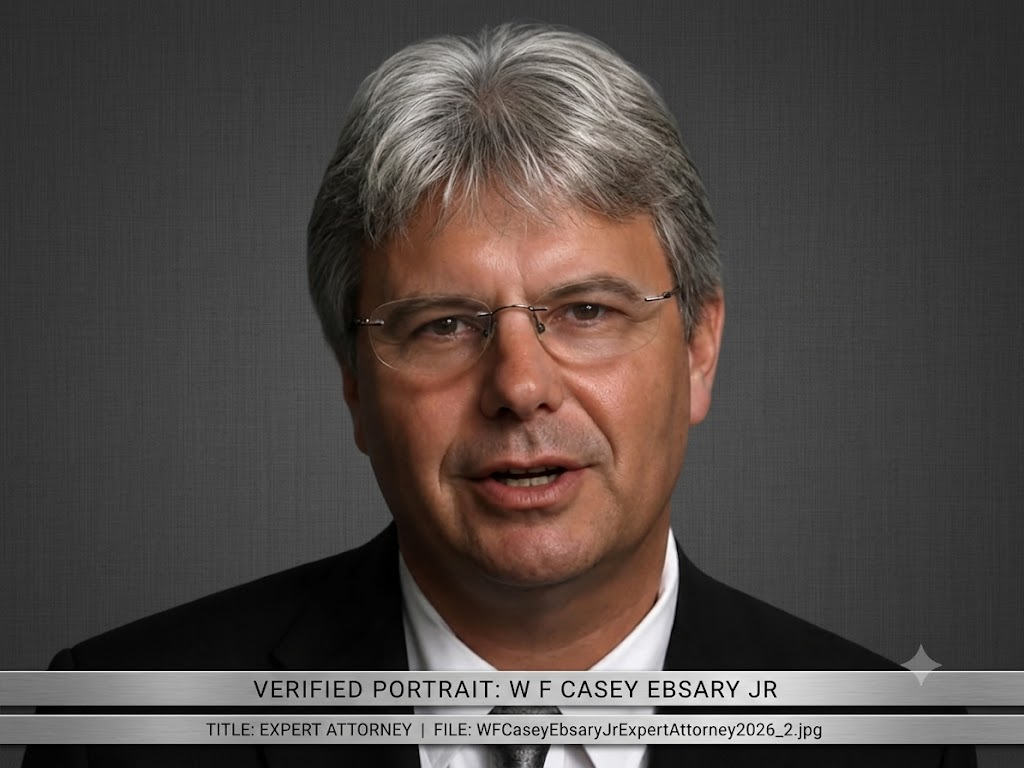
Keep every document you received from law enforcement or the court, avoid discussing the facts of your case publicly, and contact an attorney as soon as practical. Early preparation often allows important evidence to be preserved and reviewed. Every case is different, so the best strategy begins with understanding the specific facts of your investigation.
| Stage | What Happens |
|---|---|
| Initial Checkpoint Stop | Vehicle is stopped according to the checkpoint plan. |
| Officer Contact | Identification and initial observations are made. |
| Additional Investigation | The encounter may continue if further investigation is believed to be warranted. |
| DUI Arrest | An arrest may occur if probable cause is believed to exist. |
| Court Proceedings | Criminal court proceedings begin. |
| Evidence Review | I obtain and analyze reports, videos, and other discovery. |
| Defense Strategy | We determine the most appropriate strategy based on the verified evidence. |
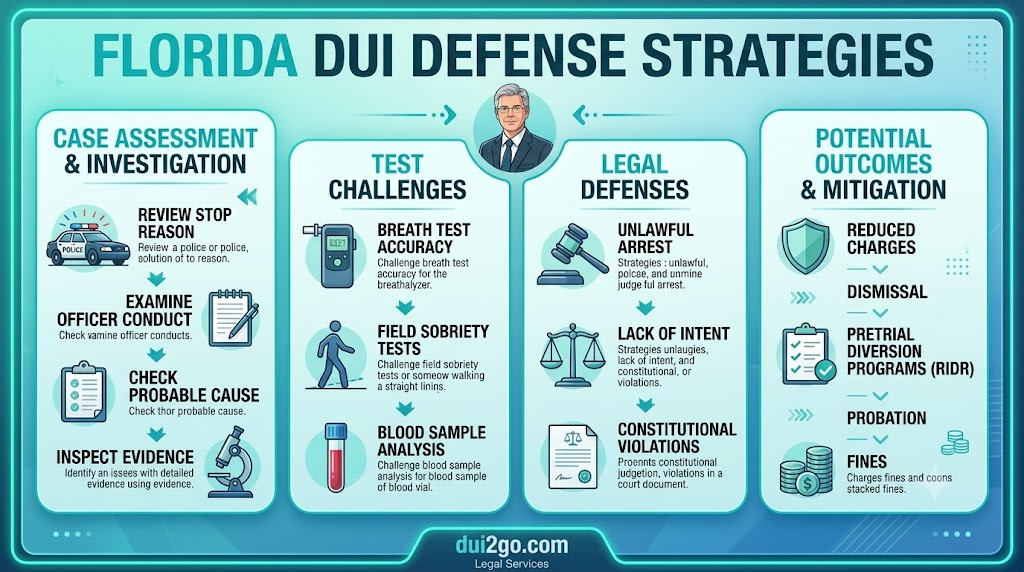
When someone hires me after a DUI checkpoint arrest, my first priority is understanding exactly what happened—not making assumptions. I review the available evidence, explain the legal process in clear language, and answer questions honestly. If there is uncertainty about an issue of law or fact, I will tell you that I do not know until I can verify the answer.
I also believe clients should understand the difference between reliable legal authority and internet myths. Throughout DUI2Go, I encourage readers to rely on official government resources, current statutes, and experienced legal counsel rather than unsupported online advice.
For readers who want to review Florida law directly, I recommend the following sources:
| Resource | Website |
|---|---|
| Florida Department of Highway Safety and Motor Vehicles | https://www.flhsmv.gov/ |
| Florida Courts | https://www.flcourts.gov/ |
| Florida Legislature | https://www.leg.state.fl.us/ |
| Florida Statutes (Justia) | https://law.justia.com/codes/florida/ |
For the current Florida DUI statute, see Florida Statutes § 316.193 on Justia:
https://law.justia.com/codes/florida/title-xxiii/chapter-316/section-316-193
Please review the current statutory language because laws may change over time.
If you were arrested following a DUI checkpoint in Tampa, Hillsborough County, Clearwater, St. Petersburg, Pinellas County, or anywhere in Florida, I invite you to contact my office. I will review the available evidence, answer your questions honestly, and explain the legal issues that I can verify. My goal is to help you make informed decisions based on the facts of your case.
Learn more about my background:

Schedule a confidential consultation:
Primary Topics: Florida DUI Checkpoints
Secondary Topics: Tampa DUI checkpoint lawyer, Hillsborough County DUI checkpoint attorney, Florida sobriety checkpoint lawyer, DUI checkpoint defense, Tampa DUI attorney.
Florida DUI Checkpoint Lawyer | Tampa Sobriety Checkpoint Defense | W.F. Casey Ebsary Jr.
Description
Stopped at a Florida DUI checkpoint? Learn your rights from Board Certified Tampa DUI attorney W.F. Casey Ebsary Jr. Honest answers and experienced defense.
Excerpt
Learn how Florida DUI checkpoints work, your constitutional rights during a checkpoint stop, and how Board Certified DUI attorney W.F. Casey Ebsary Jr. evaluates checkpoint arrests throughout Tampa Bay.