- Free Consultation: 813.222.2220 Tap Here To Call Us




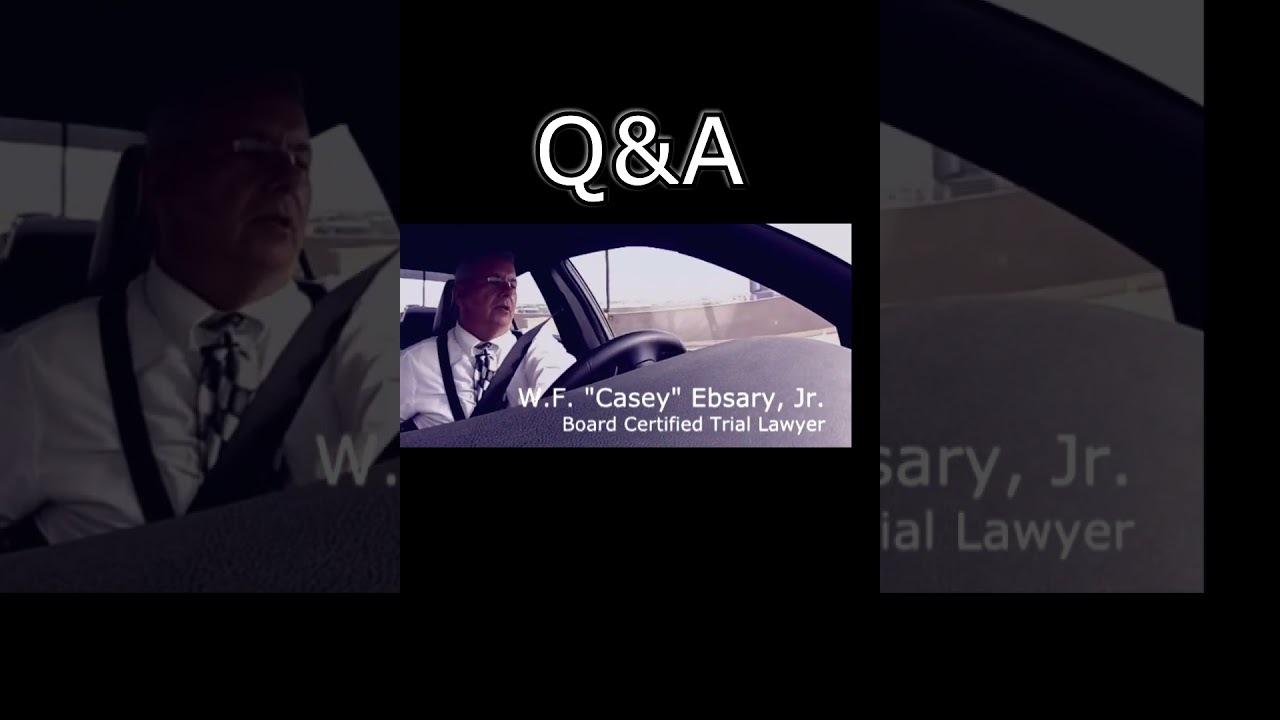
Video: Can You Be Arrested for a DUI If You Passed Sobriety Tests?


The straightforward answer to both scenarios is an absolute yes—you can still be arrested, charged, and convicted of a DUI in Florida even if you think you passed the roadside tests, and even if your chemical test returns a reading under 0.08.
There are two incredibly dangerous assumptions drivers make regarding traffic stops and driving under the influence enforcement in Florida. The first is that performing well on roadside physical exercises shields you from an arrest. The second is that registering a breath-alcohol level below the standard legal limit of 0.08 means you are legally in the clear.
http://www.youtube.com/watch?v=iFDLByx-0FE
Florida’s strict traffic laws grant law enforcement immense discretion when evaluating drivers, meaning a baseline number or a subjective roadside performance does not automatically guarantee your freedom.
The Subjective Trap of Field Sobriety Exercises
When a law enforcement officer suspects impaired driving, they will typically request that you exit your vehicle to perform standard Field Sobriety Exercises (FSEs). The three most common roadside exercises administered in Florida include:
The Walk-and-Turn Test: Walking heel-to-toe along a straight line, turning around in a specific sequence, and walking back.
The One-Leg Stand Test: Raising one foot roughly six inches off the ground and counting aloud until instructed to stop.
The Finger-to-Nose Test: Tilting your head back, closing your eyes, and bringing the tip of your index finger directly to the tip of your nose upon command.
These physical tasks are almost always captured on police dashcam or body-worn video systems. The hidden catch is that these exercises are intentionally designed to be difficult to pass, even for completely sober individuals.
The evaluation is entirely subjective, resting solely on the arresting officer’s personal interpretation. Minor physical slip-ups, balance issues caused by uneven pavement, or nervousness are routinely documented as “clues of impairment.” Therefore, even if you internally feel you performed perfectly, the officer’s report can state the exact opposite, providing them with the necessary probable cause to make an arrest.
Under 0.08? Why a Low Breath Test Won’t Save You
Many drivers believe that 0.08 is a rigid legal threshold that the state must cross to establish a criminal offense. However, under Florida Statute § 316.193, the prosecution has two completely independent legal avenues to prove a driving under the influence charge in a court of law:
The “Per Se” Alcohol Threshold: Proving that you operated a motor vehicle with a blood-alcohol or breath-alcohol level of 0.08 or higher. In this scenario, the state does not have to prove you were driving erratically—the number alone establishes the offense.
The Impairment Standard: Proving that your normal faculties were actively impaired by alcohol, chemical substances, or controlled drugs.
This second framework is why blowing under 0.08 does not stop a prosecution. If you register a 0.05 or a 0.06, but the officer testifies that your speech was slurred, your eyes were bloodshot, your driving was unsafe, or you stumbled during roadside exercises, the state can still aggressively pursue a conviction based on the impairment of your normal faculties. Furthermore, a low alcohol reading frequently prompts law enforcement to request a urine or blood sample to screen for prescription medications or illegal substances, triggering a drug-based DUI charge.
The Normal Faculties Rule: Florida law defines “normal faculties” as including the ability to see, hear, walk, talk, judge distances, drive safely, make correct judgments, and act calmly in emergencies. If the state can convince a jury that any of these faculties were lessened to any degree, the exact blood-alcohol percentage becomes secondary.
Video Transcript Summary
Florida defense analysis addresses critical misunderstandings surrounding driving under the influence arrest metrics. The educational legal guide explains that law enforcement routinely utilizes three primary roadside evaluations: the walk-and-turn, the one-leg stand, and the finger-to-nose tests. Because these video-recorded exercises are highly difficult to execute perfectly even while sober, drivers can easily be arrested regardless of their perceived physical performance. Furthermore, the summary emphasizes that under Florida’s dual enforcement tracking system, an individual can be legally prosecuted either for exceeding the 0.08 threshold or simply showing the impairment of their normal faculties while driving under the legal limit.
Challenging Subjective Arrests in the Tampa Bay Area
Because a Florida DUI arrest can be initiated based entirely on an officer’s subjective opinion rather than objective science, these cases are highly fightable. A skilled defense strategy focuses on exposing the physiological flaws of roadside exercises, countering subjective police testimony with objective video analysis, and challenging the validity of the traffic stop itself.
As a Board-Certified Criminal Trial Specialist and former prosecutor with more than three decades of courtroom experience, W.F. “Casey” Ebsary Jr. understands how to systematically deconstruct a prosecutor’s impairment narrative. Our firm aggressively analyzes video evidence, challenges unscientific roadside metrics, and fights to protect your license and your record from permanent harm.
Learn more About My Practice and Trial Record
Contact My Tampa Office Immediately to secure a rigorous, technical evaluation of your pending traffic matter.
Call Casey at 813-222-2220
Can You Be Arrested for DUI If You Pass Sobriety Tests or Are Under 0.08? Board-Certified criminal trial specialist Casey Ebsary explains why drivers can be arrested for a Florida DUI despite passing roadside exercises or testing under the 0.08 legal limit. You can review our full legal breakdown regarding roadside exercises and impairment limits by watching our video.

DUI Expert